Health and Safety Policy for Zero Waste Mag
 The purpose of this Health and Safety Policy is to set out the approach taken by Zero Waste Mag and associated editorial activities to protect the health, safety and welfare of everyone involved with our publishing, events and content production. This statement applies to the whole of Zero-Waste Magazine operations and is intended to be clear, practical and adaptable. We recognise that a safe working environment is integral to our mission to promote sustainable living and responsible resource use. This policy outlines responsibilities, arrangements and standards that foster both physical safety and mental wellbeing.
The policy applies to all staff, contributors, freelancers, contractors and volunteers engaged with zero waste magazine projects. All personnel are expected to familiarise themselves with the policy, follow safe working practices and cooperate with risk control measures. Leadership responsibilities rest with editors and managers who will ensure that risk assessments and safe systems of work are in place for editorial activities, studio sessions, events and site visits. The policy emphasises continuous improvement, and regular review cycles will align with evolving operational needs and best practices in health and safety.
![Three large black rubbish bags made of durable plastic with a glossy finish, tightly knotted at the top, are arranged in a row on a dark surface against a black background. The bags are filled with waste material, causing them to appear plump and slightly uneven in shape. The leftmost bag is positioned slightly forward, while the central and rightmost bags are aligned behind it, creating a gentle triangular formation. The plastic material shows subtle creases and folds, reflecting minimal light, which emphasizes their texture. The environment appears to be an outdoor area, possibly a driveway or pavement in a residential or commercial setting, indicative of rubbish removal tasks. This arrangement of waste bags visually aligns with professional rubbish collection and disposal services, such as those provided by Zero Waste Mag, supporting local waste management efforts in the area near [POSTCODE] or [TOWN].](/pub/_photos/rubbish/f1342373512.jpg) Risk assessment and hazard control are central to our approach. For each activity — from office-based tasks and photography shoots to rooftop gardening demonstrations and off-site reporting — we identify potential hazards, evaluate the level of risk and implement proportionate controls. Controls may include administrative measures, equipment provision, personal protective equipment, or changes to work methods. We require documented assessments for activities that present greater than minimal risk and maintain records that demonstrate clear decision-making about mitigation and monitoring.
Risk assessment and hazard control are central to our approach. For each activity — from office-based tasks and photography shoots to rooftop gardening demonstrations and off-site reporting — we identify potential hazards, evaluate the level of risk and implement proportionate controls. Controls may include administrative measures, equipment provision, personal protective equipment, or changes to work methods. We require documented assessments for activities that present greater than minimal risk and maintain records that demonstrate clear decision-making about mitigation and monitoring.
Emergency Preparedness and Response
Emergency planning covers fire safety, first aid provision, evacuation procedures and the response to health incidents. ZeroWaste Mag ensures that appropriate first aid equipment is available and that designated responders are trained to a suitable level. Evacuation routes are clearly marked for any premises we occupy and contractors working on behalf of the magazine are informed of procedures before work begins. If we run events, crowd management and emergency liaison arrangements are part of event planning documents. All incidents are logged and reviewed to identify improvements.
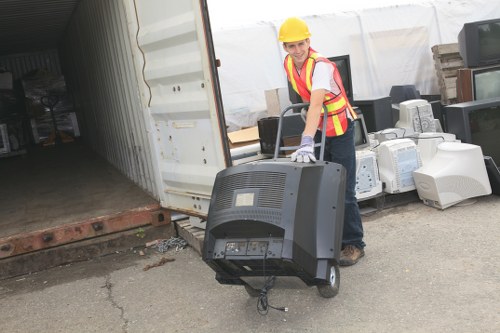 Training and competence are essential components of our safety culture. We provide role-appropriate induction, task-specific instruction and refresher training where necessary. Staff and contributors receive guidance on safe manual handling, electrical safety around lighting and studio equipment, and safe operation of tools used in hands-on demonstrations. Volunteers and freelancers receive concise safety briefings prior to involvement in any activity. We encourage a learning culture where near-misses and lessons learned are shared in a non-punitive way to prevent recurrence.
To support safe working practices we maintain standards for equipment, workspace hygiene and ergonomics. Typical measures include:
- Scheduled maintenance for production and studio equipment;
- Safe storage and clear labeling of materials and props;
- Proper ergonomic setups for remote and office-based contributors to reduce strain;
- Clear procedures for off-site work and location shoots.
Health, Wellbeing and Environmental Safety
We regard the wellbeing of our community as part of health and safety. The magazine promotes practices that reduce stress and support mental health, including reasonable workloads, flexible arrangements where possible and an environment that respects diversity and inclusion. Our editorial content and activities aim to reduce environmental harm: waste minimisation, responsible procurement and low-impact event management are treated as safety matters where they intersect with public and occupational health. That aligns safety obligations with our sustainability objectives as a zero waste magazine.
![A large pile of discarded plastic bottles and containers predominantly made of transparent PET, with some featuring coloured caps in red, green, blue, and yellow, all piled together on a surface that appears to be an outdoor driveway or paved area. The bottles vary in size and shape, with most showing some degree of crumpling or deformation from previous use. In the background, a yellow plastic container or bin is partially visible, along with other small pieces of plastic debris. The ambient lighting suggests daylight, providing a clear view of the different textures and colours of the plastics. This image exemplifies waste materials that a rubbish removal service such as Zero Waste Mag might collect and dispose of in compliance with local recycling and waste management policies near [POSTCODE] or [TOWN], reflecting a typical collection scenario for plastic waste in a residential or commercial setting.](/pub/_photos/rubbish/f1518648696.jpg) Incident reporting, monitoring and review procedures are mandatory. Any accident, injury, near-miss or safety concern must be reported promptly through internal channels so that it can be investigated and corrective actions applied. The management team will analyse trends, track remedial actions and update risk assessments accordingly. Regular audits and reviews of this health and safety policy ensure it remains effective and reflects changes in operations, technology or our editorial focus.
Incident reporting, monitoring and review procedures are mandatory. Any accident, injury, near-miss or safety concern must be reported promptly through internal channels so that it can be investigated and corrective actions applied. The management team will analyse trends, track remedial actions and update risk assessments accordingly. Regular audits and reviews of this health and safety policy ensure it remains effective and reflects changes in operations, technology or our editorial focus.
 Commitment to continuous improvement: Zero Waste Mag pledges to allocate appropriate resources to implement this policy, to consult with staff and contributors on safety matters and to maintain clear lines of responsibility. Leaders will demonstrate visible commitment and everyone is expected to play an active role in keeping work environments safe. This policy will be reviewed periodically and updated to reflect lessons learned, new activities and best practices. By integrating robust health and safety systems with our environmental goals, Zero Waste Magazine ensures that ethical, safe and sustainable publishing goes hand in hand with practical measures to protect people and the places where we operate.
