Council Rubbish Collection in Zero Waste Mag: Transforming Urban Waste Management

Council Rubbish Collection in Zero Waste Mag is a revolutionary approach to urban waste management that melds traditional municipal rubbish collection with innovative zero waste principles. In an era dominated by environmental concerns and the need for sustainable practices, local councils are reimagining their rubbish collection processes to minimize landfill use and maximize recycling. This approach not only benefits the environment but also supports the community by promoting the efficient use of resources. By blending technology, education, and community involvement, this initiative paves the way for a cleaner, healthier future.
The evolution of council rubbish collection programs in Zero Waste Mag has dramatically changed how waste is managed in urban settings. Municipal authorities are increasingly adopting strategic methods which incorporate eco-friendly practices alongside rigorous recycling protocols. These programs are designed to reduce carbon footprints and foster a culture of sustainability, making green practices a pivotal part of everyday urban life. The integration of digital scheduling, smart bins, and recycling incentives has transformed a once routine service into a dynamic, interactive process.
Despite these advancements, challenges still exist in the implementation of effective council rubbish services. Infrastructure limitations, funding issues, and public awareness are common obstacles that authorities must overcome. However, by focusing on education, leveraging innovative technology, and encouraging community participation, these barriers can be reduced significantly. The commitment to a zero waste philosophy results in enhanced efficiency and stronger environmental stewardship. Contact us today to learn how local councils are transforming waste management and making an impact on our cityscapes.
Understanding the Role of Council Rubbish Collection in Zero Waste Mag
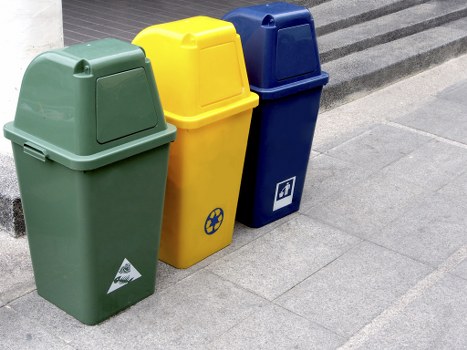
The role of council rubbish collection within the Zero Waste Mag initiative is multifaceted, addressing not only the disposal of garbage but also the promotion of recycling, resource recovery, and community education. Local councils are tasked with managing nationwide programs that adhere to rigorous environmental standards. By adopting a comprehensive approach that includes everything from segregation of waste at the source to proper recycling and disposal, these programs work round the clock ensuring urban areas remain sustainable and free from excess waste. Effective management practices thrive on precision and community engagement.
At the core of these systems lies the concept of reducing waste at its origin. Zero waste endeavors in the urban context focus on minimizing waste production through innovative strategies such as reuse, repair, and recycling. By integrating policies that encourage businesses and households to repurpose discarded materials, council rubbish collection strategies are evolving into proactive measures that shape public behavior. The combination of governmental policy and grassroots action in Zero Waste Mag has led to remarkable improvements in waste management efficiency.
Certainly, one of the most critical aspects of these systems is how they are supported by state-of-the-art technology and data analytics. Advanced tracking systems, automated collection schedules, and real-time reporting enable local councils to monitor waste generation and disposal more effectively than ever before. Moreover, embracing digital platforms to disseminate information about recycling tips and efficient waste disposal methods has increased participation rates among residents, ultimately resulting in a lower environmental footprint. Book your service now to be a part of this green movement and help optimize waste management in your community.
Benefits and Efficiency Strategies of Modern Rubbish Collection
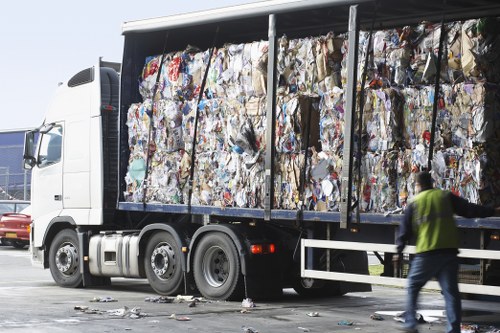
The modern approach to council rubbish collection in Zero Waste Mag introduces numerous benefits that extend far beyond mere waste transport. One of the primary advantages is the significant reduction in greenhouse gas emissions achieved through optimized collection routes and reduced landfill reliance. These methods ensure that recyclable materials are efficiently diverted to resource recovery facilities, thus fostering a circular economy. Moreover, the integrated use of renewable energy sources in the collection vehicles further underscores the commitment to sustainability. Efficient waste management is a critical component of urban environmental policies.
Efficiency in rubbish collection is enhanced by a host of innovative strategies that local councils employ. For example, smart routing algorithms ensure that collection vehicles follow the most fuel-efficient paths. Additionally, the use of sensor-equipped bins provides real-time updates on waste levels, enabling dynamic scheduling that minimizes unnecessary journeys. These improvements not only reduce overall energy consumption but also help in lowering maintenance costs, thus allowing councils to reinvest in further sustainable initiatives. An unordered list of key benefits includes:
- Lower carbon emissions
- Cost savings through optimized routes
- Improved recycling rates
- Enhanced community engagement
Another significant efficiency strategy involves comprehensive employee training programs. Waste collection personnel are now trained in eco-friendly practices and equipped with the knowledge needed to troubleshoot on-the-go issues related to zero waste protocols. This emphasis on professional development ensures that the entire process, from waste collection to sorting and recycling, is handled with utmost care and responsibility. In addition, modern communication tools and mobile applications facilitate hassle-free scheduling, further streamlining operations. Contact us today for more information on how these strategies are implemented and how they benefit your community.
Environmental Sustainability and Zero Waste Initiatives
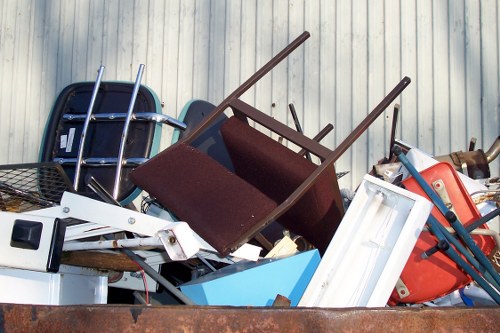
The concept of environmental sustainability is embedded at the heart of council rubbish collection in Zero Waste Mag. Sustainability in this context revolves around the notion of reducing waste, maximizing recycling, and ensuring that every process contributes positively to the environment. Sources of waste are meticulously categorized, and hazardous materials are handled with extra care to prevent any potential environmental contamination. This commitment to zero waste is a significant step in combating climate change and promoting a greener urban ecosystem.
Environmental benefits from these initiatives are multifactorial. For example, reduced landfill use means less methane—a potent greenhouse gas—being released into the atmosphere. Furthermore, reusing and recycling materials conserves natural resources, lessening the environmental burden associated with resource extraction and manufacturing. The continuous development of sustainable practices also involves the use of eco-friendly vehicles, recycled materials in infrastructure, and energy-efficient collection systems. These advanced methods not only mitigate environmental impacts but also signify a proactive embrace of global sustainability trends. Efficient integration of zero waste protocols into municipal practices demonstrates the forward-thinking nature of these initiatives.
In addition to technological advancements, community participation plays a vital role in the success of environmental sustainability measures. Local councils actively engage residents through educational campaigns, interactive workshops, and local events that emphasize the importance of reducing personal waste. The use of digital platforms and social media fosters increased awareness and participation, creating an informed community that can make sustainable choices. This collaborative approach between government and citizens results in a more adaptable and resilient waste management system. Book your service now and join the movement to make our cities a beacon of sustainable living and environmental care.

Future Perspectives and Community Involvement in Council Waste Management
Looking forward, the future of council rubbish collection in Zero Waste Mag is poised to bring even greater advancements. Emerging trends point towards a more interconnected system where smart technologies, data analytics, and community-driven initiatives converge to create a seamless waste management ecosystem. Innovations such as blockchain-based tracking systems for recyclables, further automation of waste sorting, and the widespread incorporation of artificial intelligence are expected to redefine urban waste management paradigms. These groundbreaking strategies promise improved efficiency, transparency, and accountability in waste collection services. The future is bright for sustainable urban living.
Community involvement remains one of the foundational pillars for future development. As local citizens become more informed about the benefits of proper waste segregation and recycling, they are more likely to participate actively in municipal programs. This active participation not only improves the overall efficacy of waste collection but also fosters a sense of ownership and responsibility among residents. Educational programs, local incentives, and recognition awards for eco-friendly practices are all part of the community engagement strategy that has proven to be highly effective in many Zero Waste Mag initiatives. A well-organized, community-driven strategy might include:
- Regular neighborhood waste collection drives
- Incentives for households reducing waste
- Public seminars and workshops on recycling methods
Moreover, partnerships between local councils, private enterprises, and non-profit organizations will continue to be crucial. These cross-sector collaborations not only provide the necessary funding and resources but also help in generating innovative solutions to long-standing waste management problems. As these alliances strengthen, there is an increasing opportunity for pilot projects and trials of new technologies that have the potential to radically improve how we handle waste. In addition to technological innovation, social initiatives such as volunteer clean-up programs and community recycling centers will contribute significantly to a self-sustaining waste management ecosystem. Contact us today to learn how you can play a pivotal role in shaping the future of sustainable urban waste management and contribute to the zero waste revolution.
