White Goods Recycle in Zero Waste Mag: Sustainable Solutions for Modern Living
Embracing Sustainability: The Dawn of White Goods Recycling
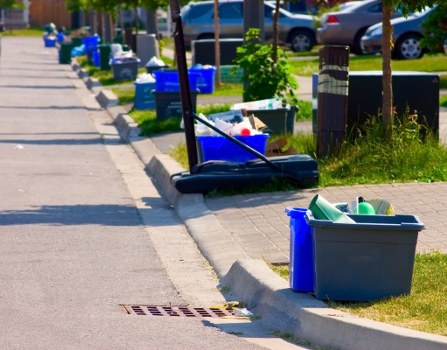
In today’s dynamic world, the movement toward a zero waste lifestyle has catalyzed significant changes in how we view recycling. White goods recycling is not merely about disposing of old refrigerators or washing machines; it is about rethinking our very approach to consumerism and environmental responsibility. As technology evolves and environmental concerns intensify, the recycling of white goods—encompassing appliances such as refrigerators, stoves, and microwaves—has emerged at the forefront of sustainable solutions. This transformation is powering a revolution, urging both individuals and industries to reconsider outdated systems and adopt practices that safeguard resource conservation and energy efficiency.
Recognizing the unparalleled importance of recycling white goods is essential for communities looking to reduce landfill waste and mitigate pollution. With legislative changes influencing waste management practices, many municipalities are now incentivizing residents and businesses to remove obsolete appliances properly. The integration of specialized recycling programs has not only streamlined the process but also provided significant economic and environmental benefits. Furthermore, with these advancements, the transformation of discarded white goods into valuable resources marks a pivotal moment in the sustainability movement.
Historically, the disposal of white goods without mindful processing led to detrimental environmental impacts, due in part to harmful substances and energy wastage. Today, zero waste initiatives empower us to reconsider how these devices are treated at the end of their life cycle. Through conscientious effort, white goods recycling now ensures that metals, plastics, and other components are recovered and reprocessed, giving them a new lease on life. This strategic overhaul in recycling practices underpins the substantial benefits of reducing hazardous waste and conserving natural resources. Contact us today and join the revolution toward a cleaner, more sustainable future.
The Rising Importance of Recycling White Goods in a Zero Waste Future
The global emphasis on protecting our planet has transformed recycling into one of the most discussed topics in sustainability circles. White goods recycle has become synonymous with innovation in waste management, leveraging cutting-edge methods to optimize resource use. With increasing urbanization and the growth of consumer technology, the accumulation of discarded appliances is a challenge that must be turned into an opportunity. Zero waste mag enthusiasts and environmental advocates agree that recycling white goods is a necessary step toward reducing our carbon footprints and achieving long-term sustainability.
Innovative policy measures and eco-friendly technology are now aligning to support white goods recycle processes on an unprecedented scale. This collaboration between government entities and private organizations fosters an ecosystem where recycling is not an afterthought but a planned, celebrated process. The process includes dismantling appliances, safe disposal of refrigerants, and the recovery of valuable metals. The integration of computer-aided sorting and automated dismantling streamlines operations and enhances safety standards, contributing significantly to energy conservation and minimizing new resource extraction.
Adopting these practices offers numerous advantages, which include decreased dependency on virgin materials and the promotion of a circular economy. Each recycled appliance not only lessens environmental harm but also creates opportunities for job growth in the recycling sector. With community participation and government backing, the white goods recycling sector is set to expand remarkably, making it a cornerstone of the zero waste movement. This forward-thinking approach has spurred conversations globally, inspiring countless readers to explore sustainable recycling methods and renew their commitment to environmental stewardship.
The Recycling Process and Its Multifaceted Benefits
![A young man wearing a yellow safety helmet and fluorescent safety vest stands outdoors on a recycling or waste collection site with arms crossed, smiling at the camera. In front of him, there is a collection of old electronic devices including CRT monitors, desktop computers, and other obsolete office equipment, all placed on a surface or possibly a makeshift table. The background features a large rusty shipping container, part of a warehouse or industrial yard environment, with a cloudy sky overhead. To the right, there are wooden pallets stacked vertically, and further in the distance, a section of a blue industrial building can be seen. The scene captures a neutral, professional setting related to rubbish or electronic waste disposal, illustrating the process of e-waste collection and recycling, consistent with waste management services in regional areas such as the vicinity of White Goods Recycling services or waste collection in the [POSTCODE] or [TOWN] area, as referenced by Zero Waste Mag for sustainable disposal practices.](/pub/_photos/rubbish/f1413721872.jpg)
Understanding the multi-step process of white goods recycling is crucial for appreciating its benefits. The first phase involves the collection of discarded appliances, followed by safe transportation to dedicated recycling centers. Here, advanced sorting techniques are utilized to separate hazardous materials from recyclable components. In these facilities, state-of-the-art machinery disassembles the white goods, leading to the recovery of metals such as copper, aluminum, and steel. This intricate process not only minimizes waste but also ensures the preservation of energy and raw materials.
During the dismantling process, special care is taken to address potentially dangerous substances like Freon and other refrigerants. Through strict adherence to safety protocols and environmental standards, recyclers neutralize hazardous chemicals, thereby protecting both workers and the ecosystem. The recovered materials are then refined, with diverse applications in manufacturing new products. This closed-loop system is a testament to the effectiveness of white goods recycle systems, substantially reducing the environmental impacts of disposal.
Moreover, the benefits of white goods recycling extend far beyond environmental conservation. Economically, the recycling industry propels job creation, supports local economies, and reduces the need for raw material imports. With the rising trend of zero waste initiatives, businesses that adopt recycling-friendly practices enjoy enhanced reputational benefits and increased consumer trust. Book your service now to become part of this sustainable revolution and experience firsthand the advantages of a streamlined recycling process. Furthermore, these initiatives serve as a catalyst for community development, inspiring innovative breakthroughs in energy conservation and waste management.
Innovative Techniques and Technologies in White Goods Recycling
The transformation of traditional recycling methods into modern, tech-driven processes marks a significant leap forward in white goods recycle strategies. Innovations such as robotic disassembly and artificial intelligence-powered sorting have enhanced the efficiency and safety of recycling operations. These technologies enable the precise identification and extraction of valuable materials, significantly reducing the time and labor required. As zero waste mag advocates continuously push for modernization, these breakthroughs resonate with a commitment to environmental sustainability.
Among these state-of-the-art advances is the integration of real-time tracking systems and smart sensors, which optimize the classification of components during the sorting process. This integration not only minimizes human error but also ensures maximum recovery of high-value materials. Furthermore, advanced software systems analyze the operational data, enabling recyclers to adapt their practices to varying waste compositions and market demands. The resultant efficiency boosts and decreased processing costs are central to reinforcing a circular economic model that reduces dependence on new raw materials.
Beyond the technical improvements, there has been a significant cultural shift within the recycling industry. Educational initiatives focusing on technology and sustainability are now commonplace, providing training and skill development for workers in the recycling sector. Collaborative partnerships between academic institutions and industry leaders further propel advancements that contribute to a resilient and adaptable recycling system. With such overwhelming progress, technology becomes both the tool and the symbol of the new era of white goods recycle practices, empowering consumers and communities alike to actively participate in environmental conservation.
Community Impact and Future Trends in the Zero Waste World
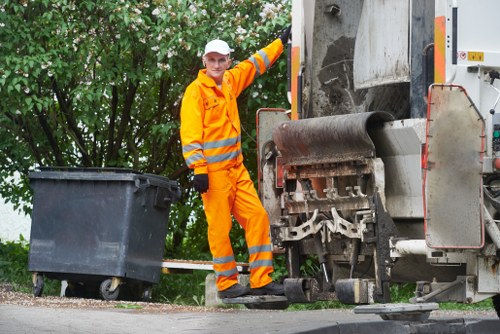
As we gaze into the future, the continuous evolution of white goods recycle initiatives promises substantial community impact and transformative trends. Local governments, environmental organizations, and engaged citizens are all instrumental in shaping new policies and technological advancements. These collaborative efforts help generate sustainable jobs, reduce local pollution, and inspire innovation across multiple sectors. By adopting effective recycling strategies, communities not only conserve resources but also stimulate a sense of shared purpose towards achieving a zero waste lifestyle.
The trend toward integrated recycling programs is further bolstered by a heightened public awareness about the environmental dangers of improper disposal. Public campaigns, school programs, and social media movements are consistently reinforcing the message that every recycled white good matters. As demand for responsibly processed appliances grows, industries continuously refine their recycling methods to align with environmental regulations and consumer expectations. In this interconnected network of stakeholders, every action—from individual participation to large-scale industrial efforts—has a ripple effect on the stability of our ecosystem.
Looking ahead, it is clear that white goods recycle practices are set to evolve further. Future trends include the emergence of decentralized recycling hubs and an increased emphasis on renewable energy usage in processing facilities. Cutting-edge research is investigating biodegradable alternatives for certain non-recyclable components, while policies are being reformed to incentivize innovative waste management strategies. In summary, the journey toward a zero waste future is punctuated by a collective resolve, technological innovation, and a commitment to sustainable living. Contact us today for more information on how you can be a part of this transformative movement and contribute to a healthier planet for future generations.
