Zero Waste Mag Pricing & Quotes — Clear, Fair Rates for Sustainable Cleanup
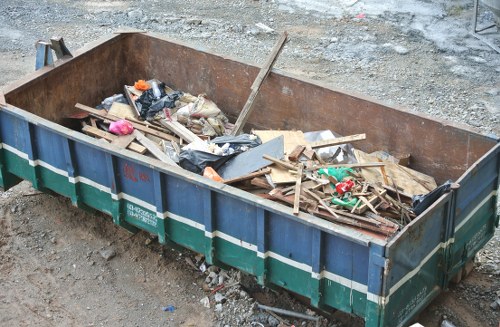 Zero Waste Mag believes pricing should be as transparent as our commitment to waste reduction. In this page we explain our straightforward pricing model, how load-based and cubic-yard rates work, and what you can expect for common jobs at different property types. Whether you manage a rowhouse renovation, a suburban yard cleanup, or a busy retail corridor, our approach is simple: honest rates, clear measurements, and a free quote policy.
We publish both load-based and cubic-yard options so you can choose what fits your situation best. Load-based rates are ideal for mixed debris and irregular pickups, while cubic-yard pricing gives an exact volumetric rate for projects with predictable volumes. Every estimate includes sorting for recyclable materials — a core part of the zero-waste ethos we promote at Zero Waste Magazine and Zero-Waste Mag services.
![A close-up view of a person's hand placing a clear plastic water bottle into a bright yellow recycling bin, which is situated on a paved outdoor area. The bin's lid is open, revealing several other recyclable items, including discarded paper and plastic packaging. In the background, there are blurred buildings with traditional architecture, suggesting a residential or small commercial setting. The scene is illuminated by natural daylight, highlighting the textures of the plastic bottle, the smooth paint on the bin, and the surrounding environment, emphasizing the context of waste disposal and rubbish removal services that companies like Zero Waste Mag provide in local communities across the UK, including in towns near [POSTCODE].](/pub/_photos/rubbish/f1288469968.jpg) Our pricing is broken into clear components so you always know what you're paying for:
Our pricing is broken into clear components so you always know what you're paying for:
- Base haul fee — covers travel and minimum handling;
- Volume charge — charged per cubic yard or per load size;
- Disposal and diversion fees — for items that require special handling, such as mattresses, electronics, or hazardous materials;
- Optional add-ons — like stair carry, tight-access handling, or expedited pickup.
How to choose between cubic-yard and load-based pricing: if you are cleaning out a one-car garage or a small condo unit near a busy downtown, a cubic-yard quote often makes budgeting straightforward. For large estates, commercial properties, or unpredictable demolition debris found at older mixed-use buildings, a load-based price gives flexibility and avoids surprises. The zero waste mag community values predictability, so we provide both options with examples below.
Our cubic-yard rates are calculated from the size of the container and the estimated fill. Typical container sizes include 3, 6, 10, 15, and 20 cubic yards, with rates adjusted for local disposal and recycling costs. Load-based quotes are categorized by vehicle size — pickup, small roll-off, or large roll-off — and by the type of material being hauled (green waste, construction debris, mixed household junk, etc.).
 We also include a clear fee schedule for difficult access:
- Stairs or narrow access — added per trip or per hour;
- Heavy items — mattresses or appliances charged individually;
- Sorting on-site — if you want separation into recyclables, compostables, and landfill-bound items, we offer a labor rate.
Example jobs and typical pricing scenarios (all prices illustrative): for a suburban garage cleanout at a ranch-style home, a 6-cubic-yard container at a fixed cubic-yard rate might be the best fit — you get an accurate per-yard cost and predictable disposal charges. For a downtown loft where crews must navigate elevators and bike lanes, a small load-based pickup with stair carry fees may be more economical.
Here are concrete examples that reflect common property styles and busy locations:
Example A — Rowhouse Renovation Debris: In narrow, historic rowhouse neighborhoods where parking and alley access are constrained, a load-based small roll-off makes sense. Typical items: drywall, trim, flooring scraps, and a few bulky items. Expect separate charges for heavy doors or cabinetry. This scenario often applies to urban corridors with high foot traffic where timed pickups reduce disruption.
Example B — Suburban Yard Cleanup: At a detached suburban property with driveway access, cubic-yard pricing for green waste and mixed debris is efficient. A 10-cubic-yard bin covers branches, dirt, patio furniture, and general refuse. Because driveway access is easier, handling fees are usually minimal and diversion to composting can lower the landfill portion of the bill.
Example C — Condo Unit Move-Out: For busy mid-rise buildings near transit hubs, crews often need elevator reservations and tight scheduling. A 3-cubic-yard container or a small load pickup quoted on a time-and-materials basis covers furniture and bagged trash; extra fees may apply for appliance removal or carrying items down narrow corridors.
Example D — Commercial Corridor Cleanout: Properties along busy retail strips or highway-facing commercial lots require coordination with local traffic control. Load-based roll-offs sized to the lot and scheduled during off-peak hours help minimize interruption for customers and deliveries. Hazardous items, like certain commercial chemicals, are billed separately under special handling.
Free quote policy: Zero Waste Mag offers a no-obligation quote for every job. We provide two free quote options — an on-site visual estimate for larger, complex projects, and a digital estimate for smaller jobs based on photos and a short form. Both are free and designed to give you a reliable range so you can plan your budget. Our digital estimates include a breakdown by base fee, volume or load charge, and any anticipated diversion fees.
 When you request a free quote for a multi-house lot cleanup or a commercial storefront, we include recommended diversion strategies so you can minimize costs by recycling and composting. These strategies often cut disposal expenses and align with the zero-waste goals we promote at Zero Waste Magazine and zero-waste magazine events.
![A large, open-top dumpster with a yellow front and a pink rear panel, filled with various household rubbish items, sits outdoors on a gravel surface. Visible contents include plastic and metal objects such as a blue laundry basket, a white bag, a beige carpet, and several other plastic and foam materials. The dumpster is positioned in front of a background of green trees and foliage, indicating a natural environment, possibly within a residential or rural area. The scene appears to be associated with waste management services, as it depicts typical rubbish disposal in an outdoor setting, with some refuse spilling slightly over the edges of the container. The image also shows small black bags placed nearby on the ground, emphasizing disposal efforts relevant to rubbish removal companies like Zero Waste Mag operating in the local area of [POSTCODE] or [TOWN]. The lighting is natural, with no artificial illumination, highlighting the details and textures of the household waste and the surface of the container.](/pub/_photos/rubbish/f1204306200.jpg) Final notes: our pricing is updated regularly to reflect local disposal and recycling market changes. We use plain-language estimates, apply the same transparency to our invoice, and provide options tailored to specific property styles — from urban rowhomes to suburban estates and busy commercial strips. If you value clear rates, flexible billing models, and a strong diversion-first approach, ZeroWaste Mag pricing is designed to meet those needs while keeping sustainability at the center of each project.
Final notes: our pricing is updated regularly to reflect local disposal and recycling market changes. We use plain-language estimates, apply the same transparency to our invoice, and provide options tailored to specific property styles — from urban rowhomes to suburban estates and busy commercial strips. If you value clear rates, flexible billing models, and a strong diversion-first approach, ZeroWaste Mag pricing is designed to meet those needs while keeping sustainability at the center of each project.
